What to Know Before an Idaho Chukar Hunting and Fly Fishing Trip

Most hunters and anglers end up planning two separate trips. One week gets set aside for chukar season, another gets carved out later for fall fishing, and the calendar fills up fast when you're trying to fit both into a busy year. On Idaho's Middle Fork of the Salmon River, that separation isn't necessary. The terrain, the timing, and the way outfitters run these trips make it possible to hunt and fish in the same week, on the same river, without treating either activity as an afterthought.
If you're considering an Idaho chukar hunting and fly fishing trip for the first time, there's a real learning curve around licensing, gear, and what a combined trip actually looks like day to day. Here's what to sort out before you book.
What a Combined Hunting and Fishing Trip Actually Is
A chukar hunting and fly fishing trip pairs upland bird hunting with river fishing on the same multi-day float. Instead of choosing one activity for the whole trip, you get access to both, usually structured around a river corridor where chukar habitat runs right along the banks.
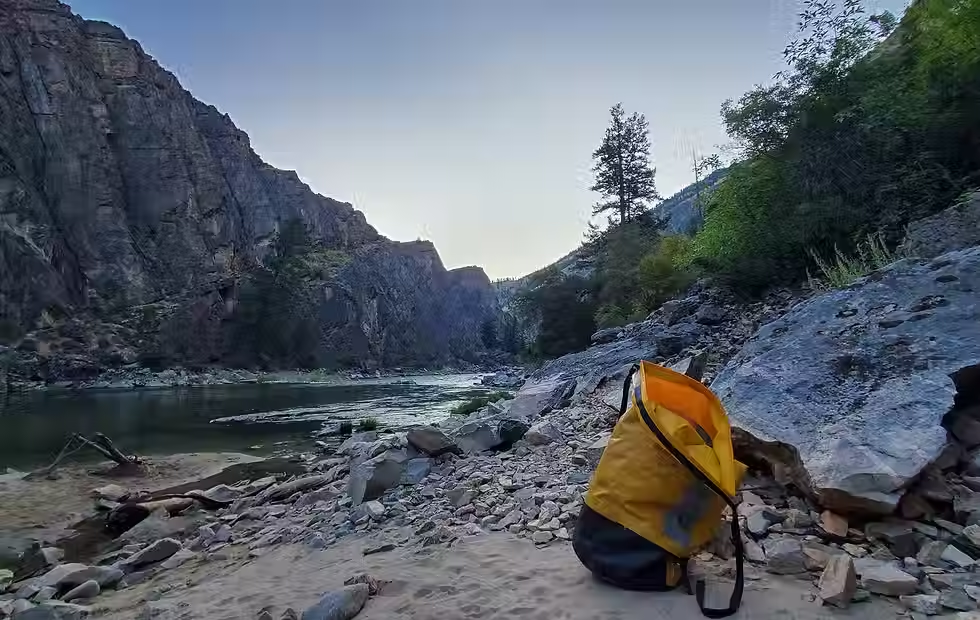
The Middle Fork works well for this because chukar favor steep, rocky canyon terrain with grassy cover, which happens to be exactly the kind of landscape this river cuts through. Add in a fall fishing window that overlaps with the start of chukar season, and you've got two activities that share the same calendar without competing for it.
How a Day on the River Actually Works
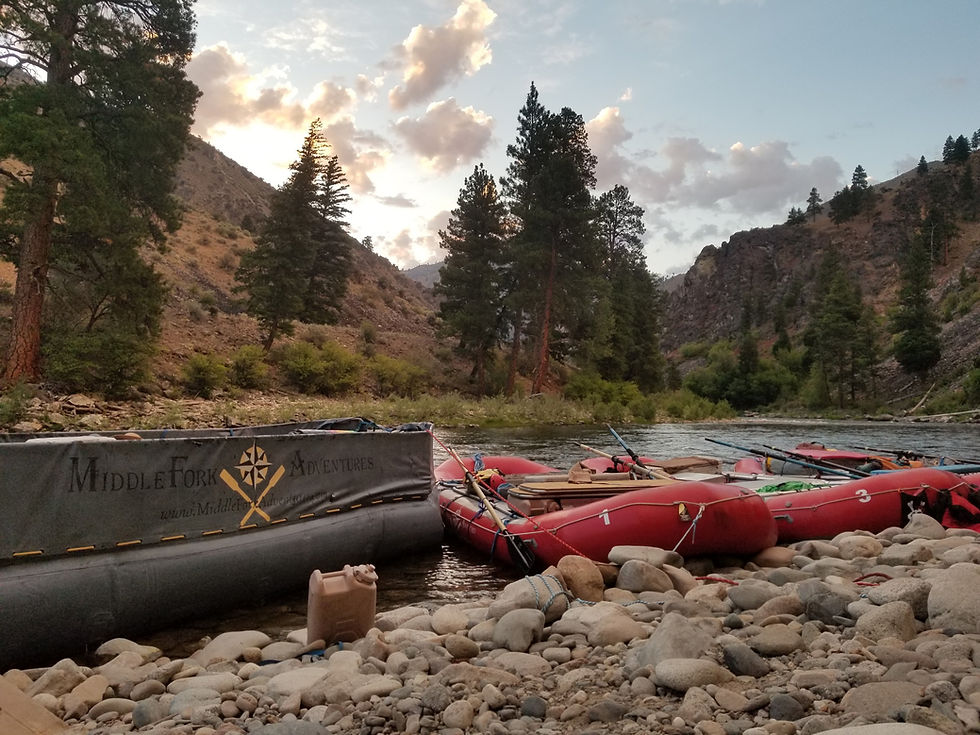
On a trip like Middle Fork Adventures' Cast & Blast, most days follow a similar rhythm. You float and fish while guides keep an eye out for chukar coveys along the banks. When birds are spotted, the boats pull over and the group heads out on foot to hunt, then returns to the water to keep fishing once that opportunity has run its course. If you'd rather spend more of the day hunting, there's usually flexibility to hike further from the river and focus on birds instead of fish.
It's worth saying plainly that this isn't the easiest way to log maximum hours on either activity. A dedicated hunting trip will get you more time in the field chasing birds. A dedicated fishing trip will get you more rods-in-water time. What a combined trip offers instead is variety within a single week, which for a lot of people matters more than maximizing either one.
When to Plan This Kind of Trip
Idaho's chukar season for 2026-2027 runs September 15 through January 31, according to Idaho Fish and Game's upland game seasons and rules. Outfitters running combined trips generally time them for the opening weeks of the season, since that's when weather, water levels, and daylight line up best for a river-based hunt. Exact opener timing can shift slightly year to year, so if you're booking with a specific outfitter, confirm their current dates rather than assuming last year's schedule repeats.
The daily bag limit for chukar under the current statewide rule is eight birds, with a possession limit of 24. Those numbers can change from season to season, so it's worth checking the current year's regulations before you go, even if you've hunted the same area before.
Why Fall Fishing Lines Up So Well
By mid to late September, trout on rivers like the Middle Fork are feeding more aggressively as days shorten and water temperatures start to drop heading into winter. It's not a guarantee of better fishing every single day, but the general pattern of fall feeding activity is well documented and is a big reason outfitters pair fishing trips with this time of year in the first place.
Licensing and Regulations You Need to Sort Out
This is the part people most often underestimate. A combined hunting and fishing trip means dealing with two separate sets of Idaho regulations, and neither one is optional.
For hunting, you'll need a valid Idaho hunting license along with any required upland game bird permit for the species and region you're hunting. For fishing, you'll need a valid Idaho fishing license. Idaho Fish and Game's online licensing portalcovers both, and it's worth buying ahead of time rather than trying to sort it out once you've already arrived in a remote area with no cell service.
On the fishing side, don't assume standard rules apply everywhere. The Middle Fork of the Salmon and its tributaries are catch-and-release only for trout, with no bait allowed and barbless hooks required. That's not a suggestion. It's a stated rule under Idaho Fish and Game's fishing regulations, and it applies regardless of how experienced you are or what you're used to on other rivers.
Licensing responsibility typically falls on the guest, not the outfitter, so double check this with whoever you're booking with. Most guided operations state clearly that licenses are required and not included in the trip cost.
What to Expect Gear-Wise
Gear expectations differ quite a bit between the fishing and hunting sides of a combined trip, and that difference catches some first-timers off guard.
Fishing Gear
Most outfitters running fly fishing trips will have a supply of rods, flies, and tippet on hand for guests who don't want to travel with their own setup. That said, shared gear is exactly that: shared among the whole group. If you're an experienced angler with a rod you already trust, bringing your own is usually the better call. Check the packing list for your specific trip so you know what's provided and what falls on you.
Hunting Gear
This is where the misconception tends to show up. Guided doesn't mean fully outfitted, at least not on the hunting side. Firearms, ammunition, and hunting-specific clothing like vests are typically the guest's responsibility, not the outfitter's. If you're flying in and can't bring your own shotgun, it's worth contacting the outfitter well ahead of time to talk through options, because this isn't something you want to figure out the day before the trip starts.
Choosing a Combined Trip Versus a Dedicated One
Here's the honest tradeoff. A combined hunting and fishing trip is genuinely good for people who don't have the vacation time to do two separate trips in one fall, or who simply enjoy the variety of switching between activities mid-week. It's less ideal for someone whose main goal is to maximize bird numbers or fish numbers above everything else.
Smaller group sizes on these trips tend to help. Fewer guests means more flexibility to shift the day's plan toward more hunting or more fishing based on what the group actually wants, rather than sticking to a fixed itinerary regardless of conditions.
If you know going in that you want a dedicated experience, a single-focus trip will almost always give you more depth in that one activity. If you're drawn to the idea of doing both without sacrificing a whole season to each, a combined trip is built for exactly that.
What Makes a Wilderness River Trip Different From a Day Trip
A multi-day wilderness trip on a river like the Middle Fork isn't the same as a guided day hunt or a half-day fishing float near town. You're camping along the river for the length of the trip, which means self-contained logistics for meals, gear, and shelter.
One detail that surprises people who haven't done a wilderness river trip before: there's no cell service out there. Communication with the outside world, if it's needed, typically runs through a satellite relay back to the outfitter's office. That's not a downside so much as a fact worth planning around, especially if you need to coordinate anything with people back home during the trip.
Camp setup on these trips also runs differently than a lodge-based hunt. Everything from tents to sleeping gear to meals moves with the group each day, and guides typically handle the bulk of that logistics so guests can focus on hunting and fishing instead of breaking down camp. Meals tend to lean toward hearty, simple food made from what can reasonably be packed and cooked riverside, not a restaurant experience. If a full wilderness camp setup is new to you, ask your outfitter directly what a typical day looks like from wake-up to dinner. Most are happy to walk through it, and it's a better way to set expectations than guessing based on other trips you may have taken.
None of this is meant to make a combined trip sound complicated. It just runs on a different rhythm than a single-focus hunting lodge or a guided day float, and knowing that ahead of time makes the actual week a lot smoother.
Frequently Asked Questions
Do I need a hunting license and a fishing license for a chukar and fly fishing trip in Idaho?
Yes, both are required, and they're two separate licenses under Idaho Fish and Game. Hunting also may require an upland game bird permit depending on the species and area. Buy both ahead of time through Idaho Fish and Game's licensing portal, since you likely won't have reliable service to do it once you're on the river.
What is chukar season in Idaho?
For 2026-2027, Idaho's statewide chukar season runs September 15 through January 31. Guided trips are usually timed for the opening weeks of the season, though exact dates can shift slightly from year to year, so confirm current dates with your outfitter.
Can you fish and hunt on the same trip in Idaho's wilderness areas?
Yes. Some outfitters on rivers like the Middle Fork of the Salmon run combined trips that pair upland bird hunting with fly fishing on the same multi-day float. The structure typically alternates between floating and fishing, then pausing to hunt when birds are spotted along the banks.
What gear do I need to bring for a chukar hunting trip?
At minimum, your own shotgun, ammunition, and hunting-specific clothing, since most outfitters do not provide these items. Comfortable boots for hiking rocky terrain matter too, since chukar habitat tends to be steep and uneven.
Are Idaho's Middle Fork trout catch-and-release?
Yes. The Middle Fork of the Salmon River and its tributaries are catch-and-release only for trout, with no bait allowed and barbless hooks required under current Idaho Fish and Game regulations.
Is a guided Cast & Blast trip good for beginners?
It depends on which activity. Guides can typically help beginners with fishing technique and provide basic equipment. Hunting is more dependent on the guest already having some experience and their own gear, since outfitters generally aren't equipped to teach firearms handling from scratch on a wilderness trip.
Planning Your Trip
A chukar hunting and fly fishing trip works best when you go in with realistic expectations. It's not going to out-hunt a dedicated bird hunting trip or out-fish a dedicated fly fishing float, but it solves a real scheduling problem for anyone trying to fit both into one fall. Sort your licenses early, know exactly what gear you're responsible for, and confirm timing with your outfitter rather than assuming last year's dates carry over.
If you're weighing whether a combined trip fits what you're after, Middle Fork Adventures' Cast & Blast page lays out how their version of the trip is structured, and their Dates & Rates page has current availability if you're ready to start looking at a specific week.
About the Author
Allie Vostrejs Newman | Manager + Guide

Allie has spent most of her adult life guiding rivers across the American West, and she brings a calm, capable presence to every Middle Fork trip. She has a cool leadership style, sharp organization, and deep knowledge of the Frank Church–River of No Return Wilderness. She’s also a standout in the river kitchen, known for cooking creative meals for big groups and keeping trip logistics running smoothly so guests can focus on the fun.
Allie holds a Master’s in Landscape Architecture and a B.A. in Environmental Science, and she’s a go-to resource for the natural history and ecology of the Middle Fork. You’ll often find her with a sketchbook in hand or dreaming up an off-the-beaten-path hike or side adventure. Off the river, she spends time with her husband Daniel, their son Samuel Brooks, and their dog Wally.