

How to Choose a Rafting Outfitter in Idaho

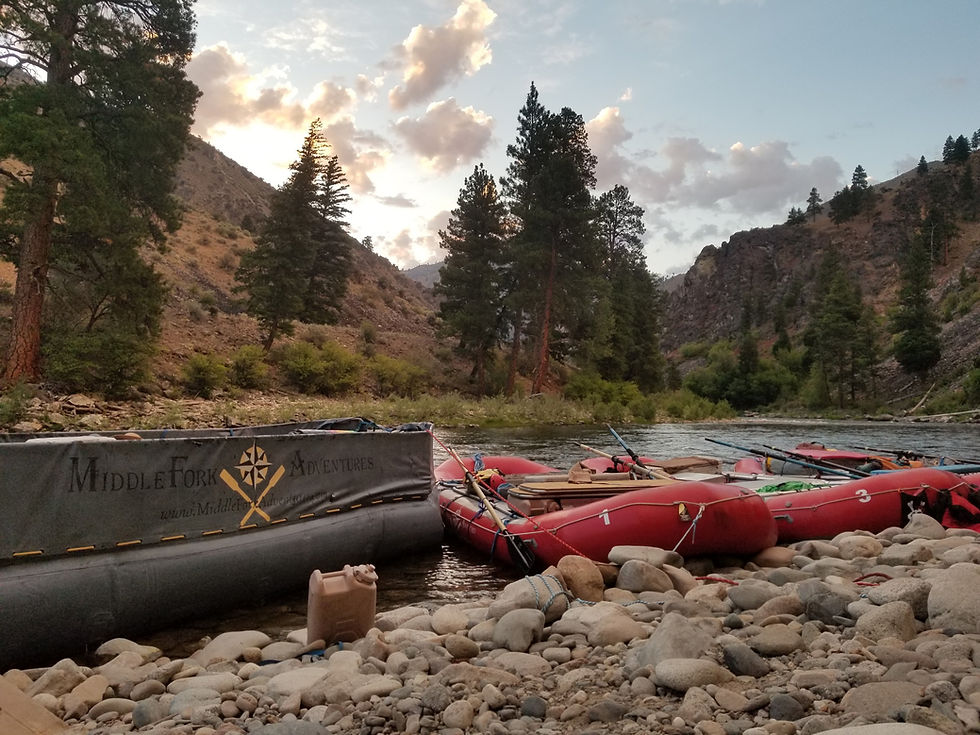
Idaho has more than 400 licensed outfitters, and a good chunk of them run trips somewhere on the Salmon River system. If you've started researching a rafting trip and every website starts to sound the same, that's because a lot of them are saying the same things: professional guides, unforgettable adventure, full service. But that can still leave you with a lot of different questions about which guide to choose.
Here are a few questions worth asking before you hand over a deposit for a multi-day wilderness trip, and why they matter more than star ratings.
What River Do You Want To Explore?
Before you compare outfitters, figure out which river actually fits your trip. The Middle Fork of the Salmon, the Main Salmon, and rivers like the Payette are not interchangeable experiences, even though they all fall under "Idaho whitewater rafting."
The Middle Fork of the Salmon runs through the Frank Church-River of No Return Wilderness, one of the largest roadless areas in the lower 48. It's remote, permit-controlled, and typically run as a multi-day trip with no road access once you launch. Other Idaho rivers are more accessible, shorter, or better suited to day trips. If you pick the river first based on the kind of trip you actually want, the outfitter search gets a lot easier, because it narrows the field to companies that specialize in that specific stretch of water.
Is Your Outfitter Licensed?
Every commercial outfitter operating in Idaho is required to be licensed through the Idaho Outfitters and Guides Licensing Board, a system the state put in place decades ago specifically to regulate safety and professionalism in this industry. It's worth checking. Licensing doesn't guarantee a great trip, but its absence should be a dealbreaker.
If you're looking at a Wild and Scenic river like the Middle Fork, there's a second layer worth understanding: permits. A permit is required year-round for that stretch of river, managed jointly by the Forest Service and Recreation.gov, and there's a lottery control season that governs who can launch and when during peak months. Outfitters who run trips there hold their own permitted access, which is part of why the number of companies operating on the Middle Fork is smaller than you'd expect for such a well-known trip. You can read more about how that access works directly from the Forest Service's Middle Fork page.
Who's Actually Guiding Your Trip?
This is where most people stop too early. "Certified guides" is on every outfitter's website. What that certification actually covers, and how much river-specific experience sits behind it, varies a lot more than the marketing copy suggests.
A few things worth asking:
How many seasons has this guide run this specific river, not just guiding in general?
What's their first aid training level? Wilderness First Responder and EMT certifications mean something different than a basic first aid card.
Do the guides bring any specialized background that adds to the trip, or are they simply trained to row a boat safely?
At Middle Fork Adventures, this question has an easy answer, because it's a huge part of what makes the trip different. Dan Newman, one of the founders, has a geology background and has spent decades in the outdoor industry. On a trip through a canyon this old and this dramatic, having a guide who can explain why the rock looks the way it does, or how the river carved the terrain over millions of years, adds a layer most rafting trips don't have. Co-founder David Cline brings a different kind of depth, with nearly two decades of guiding experience including multi-week Grand Canyon expeditions.

What Does "Full Service" Actually Mean?
Almost every outfitter uses the phrase "full service." It's worth asking what's actually included before you assume anything.
At minimum, find out:
What gear is provided versus what you're expected to bring
Whether meals are included and what the food quality actually looks like
What the camping setup involves, including sleeping gear
Whether there's a weight limit on personal belongings
That last one catches people off guard. Middle Fork Adventures asks guests to keep personal clothing and gear to 30 pounds, since everything has to fit into the boat system for a multi-day wilderness trip. Outfitters vary on this, and it affects how you pack, so it's a fair question to ask early rather than finding out the week before your trip.
The "rugged and cared for" combination, wilderness camping paired with real meals and comfortable sleeping gear, sounds like a small detail. On a six-day trip with no cell service and no road access, it's actually one of the bigger factors in whether the trip feels like an adventure or an ordeal.

What Trip Type Suits Your Group?
Not every rafting trip is built for the same audience, and a good outfitter will have more than one option rather than trying to fit every guest into a single itinerary.
Families with kids generally do better on later summer trips, when water levels drop and the rapids feel more playful than intense. Anglers usually want a trip built specifically around fishing, with a dedicated guide-to-angler ratio rather than fishing squeezed in as an afterthought. Groups looking for something more physically demanding might be better suited to an early-season high water trip with more paddle-raft teamwork. Some groups just want the whole boat and schedule to themselves, which is where a private or charter trip comes in.
Middle Fork Adventures runs all of these, along with a Wilderness First Responder training trip and a fishing-and-hunting combination trip called Cast & Blast. That range matters because it means the outfitter is set up around different kinds of guests, not adapting a single trip format to fit everyone. You can see current trip dates and season windows here.
What Happens If Something Goes Wrong?
This one rarely comes up in outfitter comparisons, but it should. On a river like the Middle Fork, there's no cell service once you launch. Any emergency communication happens through a satellite system, relayed through the outfitter's office to the trip leader on the water.
That's not meant to be alarming. It's the reality of a genuinely remote wilderness trip, and it's exactly why the outfitter's safety training and communication setup matters more than it would on a day trip closer to town. Ask directly what the plan is if a guest gets hurt or a weather situation changes the itinerary. A company that's run this river for years should be able to answer that clearly and specifically.
Common Misconceptions Worth Clearing Up
The cheapest trip and the best trip are rarely the same trip.
A lower price sometimes reflects a shorter itinerary, a less remote river, or fewer inclusions, not just better efficiency.
A longer trip doesn't automatically mean a bigger adventure.
A six-day Middle Fork trip and an eight-day fishing-focused trip serve different goals. Longer isn't better if it's not the kind of trip you actually want.
Reviews tell you about past guests, not about fit.
A five-star review from a group of experienced boaters chasing high water doesn't tell you much if you're planning a first family trip. Read reviews for specifics, not just the star count.
Frequently Asked Questions
Do I need rafting experience to book a guided trip in Idaho?
No, most multi-day guided trips are built for guests with no prior rafting experience. Guides handle the technical rowing and paddling instruction, and outfitters typically offer trip options ranging from calmer family-paced itineraries to more active whitewater trips depending on your comfort level.
How far in advance should I book an Idaho rafting trip?
Popular trips, especially on permit-controlled rivers like the Middle Fork, tend to fill up months ahead of the season. Booking in the winter or early spring for a summer trip gives you the best shot at your preferred dates, particularly for family-friendly windows in late summer.
What's the difference between a Class III and Class IV rapid?
Class III rapids involve moderate waves and some maneuvering, generally considered exciting but manageable for most guests. Class IV rapids are more intense, with powerful currents and less room for error, and usually mean a more physically active trip with more guest involvement in paddling.
Are Idaho rafting outfitters licensed by the state?
Yes. Idaho requires all commercial outfitters to be licensed through the Idaho Outfitters and Guides Licensing Board, a requirement that's been in place since the 1950s. It's reasonable to ask any outfitter for their license information before booking.
What should I ask an outfitter before booking a trip?
Ask about guide experience and certifications, what's included in the trip cost, group size, communication and emergency procedures, and what a typical day looks like. A company confident in its operation should answer these clearly and without hesitation.
Is a wilderness rafting trip safe for kids?
Many outfitters run family-specific trips timed for lower water and warmer conditions, usually later in the summer. That said, safety depends heavily on the specific outfitter's guide training and trip design, so it's worth asking directly how a company structures trips for younger guests rather than assuming all family trips are handled the same way.
Finding the Right Fit
Choosing a rafting outfitter really comes down to matching values and expectations, not finding the flashiest website or the trip with the most five-star reviews. The right questions, about licensing, guide experience, what's actually included, and who's really running the show, will tell you more than any marketing page.
If you're weighing your options for a Middle Fork trip, Middle Fork Adventures is happy to answer every one of these questions directly, no script involved. Reach out and ask us anything before you book. We'd rather you go into this trip with clear eyes than a glossy brochure.
About the Author
Allie Vostrejs Newman | Manager + Guide

Allie has spent most of her adult life guiding rivers across the American West, and she brings a calm, capable presence to every Middle Fork trip. She has a cool leadership style, sharp organization, and deep knowledge of the Frank Church–River of No Return Wilderness. She’s also a standout in the river kitchen, known for cooking creative meals for big groups and keeping trip logistics running smoothly so guests can focus on the fun.
Allie holds a Master’s in Landscape Architecture and a B.A. in Environmental Science, and she’s a go-to resource for the natural history and ecology of the Middle Fork. You’ll often find her with a sketchbook in hand or dreaming up an off-the-beaten-path hike or side adventure. Off the river, she spends time with her husband Daniel, their son Samuel Brooks, and their dog Wally.


