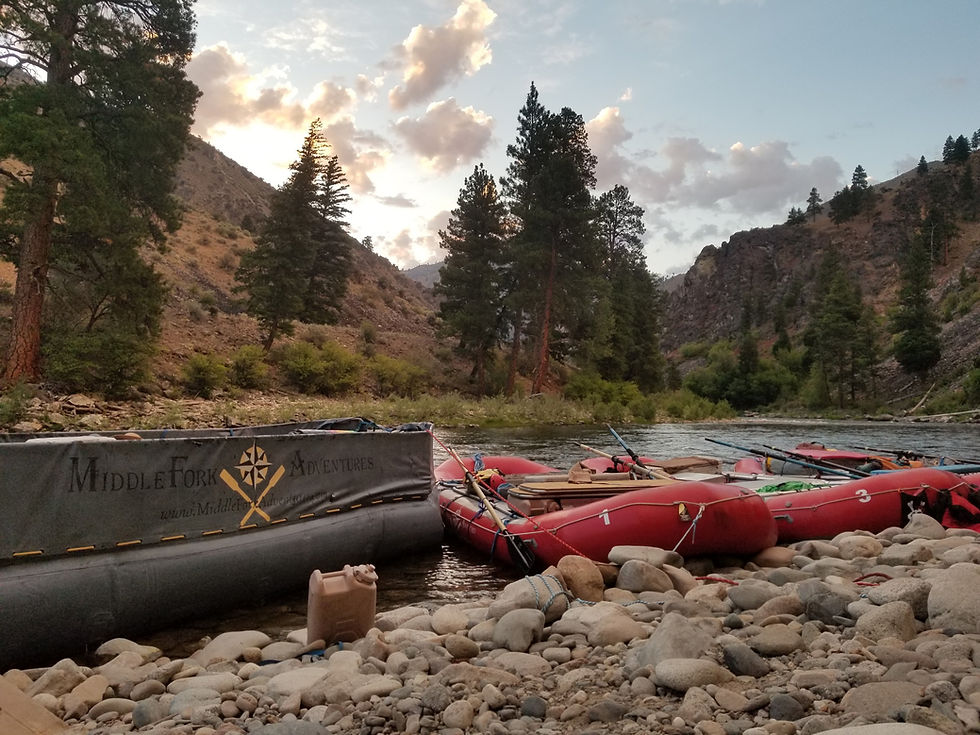
Middle Fork Salmon River Rafting Difficulty

The Middle Fork of the Salmon River is one of the most respected multi day whitewater runs in the United States, and its difficulty is a common question for anyone considering a trip. Because the river is free flowing and set deep in a remote wilderness, the level of challenge can shift throughout the season. Understanding what affects difficulty helps future guests choose the right timing and prepare for the conditions they are most likely to encounter. This post explains the factors that influence difficulty on the Middle Fork, how the experience changes with water levels, what different skill levels can expect, and why the combination of wilderness, continuous whitewater, and expert guiding makes this river both demanding and rewarding.
Overview of the Middle Fork Salmon River
What the Middle Fork Is and Why Its Setting Matters
The Middle Fork of the Salmon River covers roughly 104 miles through the Frank Church River of No Return Wilderness, one of the most remote protected regions in the continental United States. Its free flowing nature means the river rises and falls with snowmelt and seasonal weather patterns. This natural cycle directly affects difficulty, pace, and overall character. Once you launch, you are fully committed to a wilderness corridor with no road access and no simple exit points. This setting shapes every part of the experience and contributes to why the Middle Fork is known for both challenge and reward.
Key points that define the setting include:
A fully protected wilderness corridor that limits access and increases commitment
Natural, uncontrolled flows that shift difficulty throughout the season
A remote environment that requires strong planning and reliable on river decision making
Limited communication or outside support once the trip begins
Typical Rapids and the General Whitewater Profile
The Middle Fork features more than one hundred named rapids, with most falling into the Class III to Class IV range depending on the Middle Fork rafting season. The river maintains a consistent gradient, which produces frequent whitewater and reduces the amount of true flat water. Difficulty is shaped as much by rapid density as by the rating of individual drops. Because the river changes with water level, a rapid that feels moderate in July can be significantly more powerful in June or more technical in September.
Important details about the whitewater profile include:
A high number of rapids spread across the entire 104 mile corridor
Consistent gradient that produces continuous movement
Rapid difficulty that shifts with flow levels
Technical lines that become more precise at lower water
Key Characteristics That Shape the River Experience
Several defining traits influence how rafters perceive difficulty on the Middle Fork. These characteristics remain constant even as water levels change, which is why understanding them helps set realistic expectations for any trip.
Core characteristics to consider include:
Momentum from the steady gradient that creates frequent decision making
Natural obstacles such as boulders and ledges that become more exposed at low flows
A narrow canyon environment that concentrates the current and reduces maneuvering space
Long days on the water due to trip length and rapid density
A strong sense of isolation that affects logistics, safety planning, and group coordination
Each of these elements contributes to the overall difficulty of the Middle Fork. Together, they help explain why this river is both demanding and consistently ranked as one of the best multi day whitewater experiences in the country.

Key Factors That Determine Difficulty
Seasonal Flow and Water Volume
Flow level is one of the strongest influences on how difficult the Middle Fork Salmon River feels. Because the river is free flowing, water volume changes throughout the season based on snowpack, runoff, and weather. High flows in early summer create fast current, large waves, and stronger hydraulics. Lower flows in late summer narrow the channel, expose more rocks, and increase the need for precise maneuvering. Each flow range presents its own type of challenge, which is why choosing the right timing matters for every group.
Key flow factors include:
High water that increases speed and reduces eddy availability
Moderate water that provides balanced conditions for many skill levels
Low water that creates technical lines and more exposed boulders
Variable weather that affects both flow and water temperature
Trip Timing Throughout the Season
The time of year you choose directly shapes the type of difficulty you experience on the river. Early season trips feature colder water and powerful currents. Mid season typically provides the most approachable conditions while still offering reliable whitewater. Late season runs often shift toward a technical style that rewards careful navigation and lighter boats. Every season has advantages, but each also requires different expectations for physical effort, boat handling, and group readiness.
Seasonal considerations include:
Early season conditions that suit experienced paddlers
Mid season flows that balance challenge with predictability
Late season water levels that increase the importance of reading the river
Temperature changes that influence comfort and gear needs
Wilderness and Remoteness
Because the Middle Fork runs through a remote wilderness corridor, difficulty extends beyond the rapids. Once the trip begins, access to roads and outside support is extremely limited. This level of remoteness heightens the importance of preparation, communication within the group, and the ability to handle unexpected challenges. The wilderness setting adds logistical demands that influence the overall difficulty of any trip.
Important aspects of the remote setting include:
No easy exit points once the trip is underway
Limited communication and no cell service
Required self sufficiency for gear, food, and daily camp setup
Strict permit and campsite management that shapes trip planning
Each of these factors works together to determine how challenging the Middle Fork feels at different points in the season. Understanding them early helps rafters choose the timing, preparation, and guidance that best align with their experience and goals.
What “Difficulty” Means in Practice
Guided Trip Experience for Intermediate or First Time Rafters
For most guests, a guided trip is the most accessible way to experience the Middle Fork. Professional guides handle boat control, route choices, and safety procedures, which removes much of the technical burden from participants. Even with this support, the river still requires physical engagement and attention. Continuous Class III and Class IV water means everyone in the boat needs to follow commands, stay focused, and be ready for changing conditions. The guided structure makes the river manageable for a wide range of skill levels, but the wilderness setting keeps the experience authentic and challenging.
Key elements of guided difficulty include:
Following paddle commands in active whitewater
Managing long days that include rapids, hiking, and camp routines
Staying aware of changing flow, temperature, and weather
Trusting guides to make decisions that match conditions and group needs
Private or Independent Trip Requirements
Private boaters face a different level of responsibility. Without guides, the group handles scouting, running rapids, navigation, and all safety decisions. High flows bring strong currents that demand confident boat handling. Low flows create narrow lines where precision is essential. Private groups must also manage logistics such as meal planning, gear transport, and emergency readiness. These factors add layers of difficulty that go
beyond the rapids themselves.
Challenges specific to private trips include:
Route finding and rapid scouting without professional support
Technical rowing or paddling in both high and low water conditions
Full responsibility for safety equipment and emergency planning
Coordination of group gear, camps, meals, and environmental compliance
Variation Throughout a Multi Day Trip
Difficulty on the Middle Fork is not consistent from day to day. Some stretches feature longer pools and moderate rapids, while others deliver continuous whitewater that requires sustained focus. Weather, fatigue, and water levels can shift the experience over the course of a trip. Groups often find that the river feels different on day five than on day one, not because the rapids change, but because conditions and energy levels do.
Examples of how difficulty varies include:
Days with dense rapid clusters that require long periods of focus
Afternoon winds that can add effort to downstream travel
Camps accessed by steep trails that require careful footing
Changing water temperature that affects comfort and stamina
Together, these scenarios show that difficulty on the Middle Fork is a combination of technical whitewater, physical effort, and the demands of a remote setting. Understanding this blend helps potential rafters choose the level of support and timing that best match their expectations.

Frequently Asked Questions
How difficult is the Middle Fork Salmon River to raft?
The Middle Fork is generally rated as a Class III to Class IV multi day whitewater run, which means it offers moderate to advanced difficulty depending on the season. High flows create powerful hydraulics and fast current, while low flows increase technical maneuvering. Most beginners can participate on guided trips, but private boaters need solid experience.
Is the Middle Fork Salmon River suitable for beginners?
Beginners can raft the Middle Fork if they join a professional outfitter with experienced guides. Guided trips handle boat control, safety decisions, and logistics, which makes the river more approachable. Private or self guided trips are not recommended for those without strong whitewater skills.
When is the best time to raft the Middle Fork Salmon River for moderate difficulty?
Most rafters find mid season, typically mid July through early August, to be the most balanced time of year. Flows are more stable and predictable, and water levels offer a manageable mix of challenge and comfort. This period also provides warmer temperatures that improve the overall experience.
Does the Middle Fork get more difficult at low water?
Low water does not remove difficulty, it simply changes the type of challenge. The river becomes more technical, with narrower channels and more exposed rocks that require precise navigation. Many private boaters consider late season to be some of the most demanding rowing of the year.
How long does it take to raft the Middle Fork Salmon River and does trip length affect difficulty?
Most trips last five to seven days depending on flows and outfitter schedules. Longer days on the water increase physical and mental fatigue, which can influence how difficult the river feels. The multi day nature also requires consistent effort with camp setup, hiking, and daily logistics.
Do I need previous whitewater experience to raft the Middle Fork?
Previous experience is helpful, but not required for guided trips. Professional outfitters provide trained guides who manage the most technical aspects of the river. Those planning private trips should have solid Class III to Class IV rowing or paddling experience before attempting the Middle Fork.
Why Middle Fork Salmon River Rafting Difficulty Matters
Understanding the difficulty of the Middle Fork Salmon River helps future rafters choose the right timing, prepare for the conditions they are most likely to encounter, and match the experience to their skill level. The river’s free flowing nature, remote setting, and continuous Class III and Class IV whitewater create a level of challenge that shifts throughout the season. Guided trips make the Middle Fork accessible for many beginners, while private boaters face added responsibility and technical demands. No matter the approach, the river delivers a rewarding blend of wilderness, excitement, and commitment. If you are ready to experience one of the most respected multi day rivers in the country, book a trip with Middle Fork Adventures and let our team guide you through this iconic stretch of Idaho water.