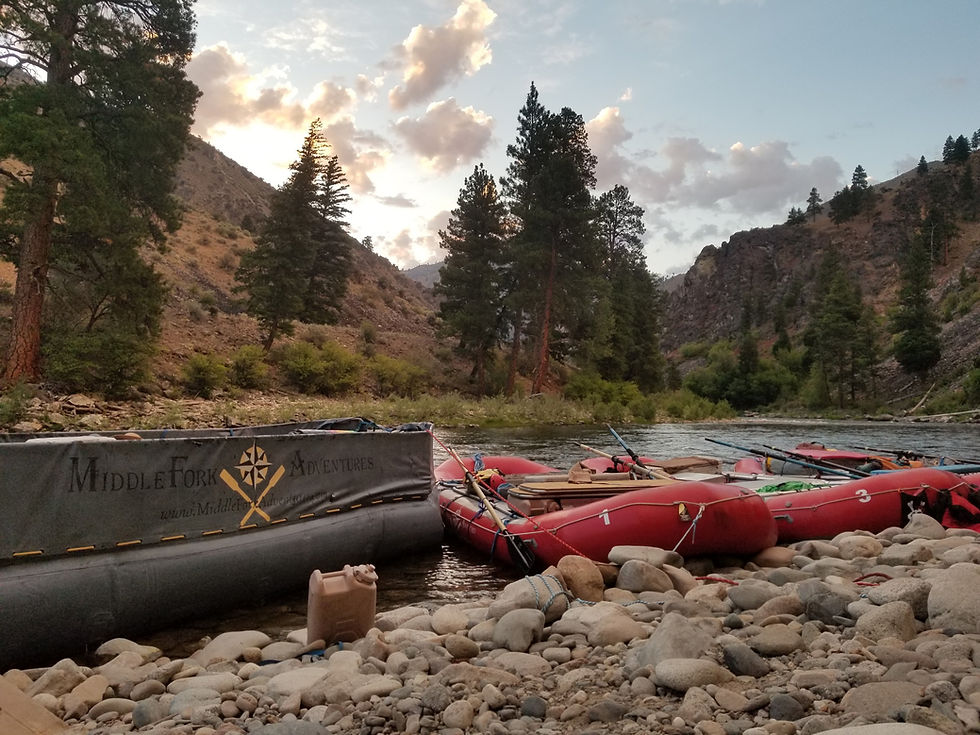
Middle Fork Salmon River Hot Springs

The Middle Fork of the Salmon River is known for its whitewater and rugged canyon scenery, but many travelers are just as drawn to the natural hot springs that sit along its banks. These geothermal pools add a valuable element of recovery and comfort to a multi day river trip, giving guests a chance to unwind after time on the water. Understanding where the hot springs are located, how to access them, and what to expect helps visitors get more out of their experience. This guide covers the main hot springs found along the Middle Fork, how they fit into a typical trip, important safety and access details, and common questions guests often have.
Why Hot Springs Are a Feature on the Middle Fork
Geological and Hydrological Context
Hot springs along the Middle Fork exist because the river cuts through terrain shaped by fault lines, ancient volcanic activity, and deep groundwater movement. Water seeps into the earth, heats as it moves through fractured rock, then rises back to the surface near the river.
This process creates a series of reliable geothermal pools that appear within the first half of the canyon. The combination of steep canyon walls and active geothermal zones makes the Middle Fork one of the few river corridors in the region where boaters can access natural hot water directly from the river corridor.
What That Means for River Travelers
These springs offer a natural break from long days spent navigating rapids, rowing, or hiking around camp. The warm water provides a comfortable way to rest tired muscles and adds variety to each day on the river. Many guests see these stops as a chance to slow down, enjoy the quiet of the canyon, and reset before continuing downstream.
Common Misconceptions and Clarifications
Some visitors assume that every hot spring is large, easy to access, or consistently warm, but conditions vary by location and water level. Pools can shift from season to season, and a few require short hikes away from the river. Not all springs are suitable for every group, especially during high flows or when temperatures fluctuate. Understanding these differences helps set accurate expectations and makes each soak more enjoyable.

Key Hot Springs Along the Route
Trail Flat Hot Springs
Trail Flat Hot Springs sits within the early miles of a Middle Fork trip and is often one of the first geothermal features visitors encounter. The pool forms right above the river and is easy to access with only a short walk from the boats. Its location makes it a practical stop for a quick morning or midday soak, depending on flow levels and group timing. The pool size and temperature can shift with the season, but it remains a reliable early trip highlight. Guests appreciate that it requires little effort to reach and offers a simple introduction to the hot springs found deeper in the canyon.
Sheepeater Hot Springs
Sheepeater Hot Springs is known for its cluster of small pools situated near a common camp area. Many groups visit this spring in the evening because it sits close to several established camp spots. The pools tend to be quieter, making them a good choice for travelers who prefer a more relaxed setting. Although the area is less developed than other springs, it offers enough space for multiple groups to rotate through without feeling crowded. Its name reflects the history of the Sheepeater people who once lived in the region, adding cultural interest to the stop.
Sunflower Hot Springs
Sunflower Hot Springs is one of the most recognizable geothermal features on the Middle Fork. The area contains several rock pools and a natural hot water spillway that flows off the hillside into the river. This makes it a memorable stop during the middle stretch of the trip. Sunflower sees more visitors than smaller springs because of its size and unique layout. Access is straightforward, and the pools provide a good mix of temperatures. The scenic qualities and the steady flow of warm water make this one of the most photographed and talked about hot springs on the route.
Loon Creek Hot Springs
Loon Creek Hot Springs requires a short walk from the river, making it a good choice for groups interested in stretching their legs during the day. The pool is larger than many of the riverside springs and offers a steady temperature that works well for longer soaks. Because it sits away from the main corridor, it tends to feel more secluded and quiet. Travelers who enjoy short side hikes find Loon Creek especially rewarding. The added distance also means fewer passersby, which helps maintain a calm atmosphere.
Hospital Bar Hot Springs
Hospital Bar Hot Springs is located near a common river camp and features a warm pool separated from the river by a rock wall. This design allows visitors to enjoy warmer water while still staying close to the shoreline. The spring works particularly well in the evening when groups are settling into camp routines. Temperature varies throughout the year, but the pool generally stays comfortable enough for a short soak. Its convenience and proximity to established camps make Hospital Bar a dependable spring for many Middle Fork itineraries.
Other Small or Seasonal Springs
Throughout the canyon, smaller geothermal pools appear depending on water levels and sediment shifts. These features are less predictable and not always suitable for stopping, yet they add to the overall character of the Middle Fork. Guides sometimes point them out during the float to help guests understand how active the geothermal landscape is. Although most do not offer a structured pool or a consistent temperature, they show just how dynamic the river corridor can be.
Planning Your Soak: Timing, Logistics, and Access
When to Plan a Soak During the Trip
Hot spring visits usually fit into natural pauses in the river schedule. Early trip springs may be used for short breaks, while mid canyon springs often line up with lunch stops or afternoon downtime. Evening soaks are common when camps are located close to a geothermal feature. Flows, daylight, and group pace all influence when a stop makes sense. Guides typically adjust timing to ensure the group has enough time to enjoy a soak without interrupting important safety or travel priorities.
How to Access the Springs Safely
Some springs sit right at river level, requiring only a short walk from the boats. Others involve brief hikes up side trails or across uneven ground. River levels can also change accessibility, since higher flows may cover paths or make landings more technical. Travelers should wear sturdy shoes, watch footing near wet rocks, and follow guide instructions for entering or exiting a pool. Safety matters even during calm moments, and guides monitor conditions to avoid unnecessary risks.
What to Bring and What to Expect
Comfortable camp items help make a soak more enjoyable. Many guests bring a small towel, lightweight camp shoes, and a warm layer for the walk back to boats or camp. Quick drying clothing or swimwear is helpful since temperatures can drop quickly once out of the water. Hot spring pools vary in temperature and size, so visitors may need to adjust their time in the water to avoid overheating. A practical mindset goes a long way in keeping the experience comfortable.
Environmental and Safety Considerations
All hot spring visits should follow Leave No Trace practices. This means staying on durable surfaces, keeping soaps or scented products out of the water, and respecting the natural condition of each pool. Wildlife may move through these areas, so storing food properly and maintaining awareness is important. Water temperature should always be tested by hand before entering, since some pools can run hotter during certain seasons. By observing basic safety and environmental guidelines, groups help protect these geothermal features for future travelers.

How Soaking Enhances a Middle Fork Adventures Trip
Physical Recovery for Rafters and Guides
Long days Middle Fork Salmon River rafting involves rowing, paddling, hiking, and carrying gear, which can leave muscles tight by late afternoon. Warm mineral water helps loosen tension and supports better recovery between days. A short soak can also improve comfort for guests who are new to multi day river travel. Guides often use these breaks to help the group recharge so everyone is ready for the next stretch of rapids or activities.
Emotional and Experiential Value
Hot springs create a slower, quieter moment in a trip that is otherwise filled with movement and excitement. Many guests find these pauses memorable because they allow time to take in the canyon setting without rushing. Soaking together also encourages natural conversation and helps groups connect. The combination of warm water, evening light, and the sound of the river often becomes a highlight that shapes how people remember their time in the Frank Church Wilderness.
Differentiation in the Market
Not every river corridor offers easy access to geothermal features, which makes the Middle Fork unique among multi day wilderness trips. The ability to combine world class whitewater with natural hot springs adds value that guests cannot find on many other guided rivers. Middle Fork Adventures uses this advantage to create a well rounded experience that blends challenge, comfort, and natural history. These elements work together to set the company apart and build trust with travelers looking for a meaningful and well supported river adventure.
Frequently Asked Questions
Are there hot springs on the Middle Fork Salmon River?
Yes, the Middle Fork of the Salmon River features multiple natural hot springs along its course that can be accessed during a multi day river trip. These pools occur where geothermal activity meets groundwater flowing into the canyon. Guided outfitters like Middle Fork Adventures incorporate some of these springs into their itineraries when conditions allow.
How accessible are hot springs on the Middle Fork Salmon River?
Accessibility varies by spring, some lie right alongside the river and require only a short walk from boats, while others demand a modest side hike or uneven terrain. Middle Fork Salmon River flows, sediment shifts, and seasonal changes influence how easily each spring can be reached. A professional guide will assess access daily and plan soaks with safety and logistics in mind.
What water temperatures can I expect in the hot springs on the Middle Fork Salmon River?
Temperatures of the geothermal pools generally range around 100 to 105 °F, though individual pools may be warmer or cooler depending on flow, location, and Middle Fork Salmon River rafting season. It is wise to test the water first and enter gradually to avoid overheating or sudden shock. Guides advise limiting soak time if the water feels too hot and staying hydrated during warm-water breaks.
Does soaking in hot springs add extra cost to a Middle Fork Salmon River trip?
No, in most guided river trips the hot spring stops are included as part of the itinerary when conditions permit. There may not be an additional fee beyond the standard trip cost, although side hikes or extended stop times could be limited by schedule. You should confirm with your outfitter if hot springs are a guaranteed element or treated as an optional bonus.
Can I skip the hot springs if I do not want to soak?
Yes, choosing not to soak is perfectly acceptable and will not negatively affect your trip experience. Guides will plan around group desires and can offer alternate downtime activities such as hiking, relaxing at camp, or taking photos. The decision to soak is optional and based on comfort level, health, and preference.
Are there any regulations or rules for using hot springs on the Middle Fork Salmon River?
Yes, use of the hot springs falls under wilderness regulations since the corridor lies within the Frank Church-River of No Return Wilderness, so standard rules like Leave No Trace apply. This means no soaps, limited impact on vegetation, and respecting wildlife and other visitors. Outfitters also set internal policies on group size, timing, and modesty to maintain a safe and respectful environment.
Make the Most of Middle Fork Salmon River Hot Springs
Hot springs along the Middle Fork Salmon River add comfort, recovery, and variety to a multi day wilderness trip. These geothermal pools appear throughout the upper and middle stretches of the canyon and offer visitors a chance to rest tired muscles, slow down, and enjoy the setting in a different way. Understanding where the springs are located, how to access them, and what to expect helps travelers make the most of each stop. With thoughtful planning and guidance, soaking becomes a memorable part of the overall river experience. For those interested in exploring these natural features firsthand, book a trip with Middle Fork Adventures and enjoy a well supported journey through one of Idaho’s most remarkable river corridors.