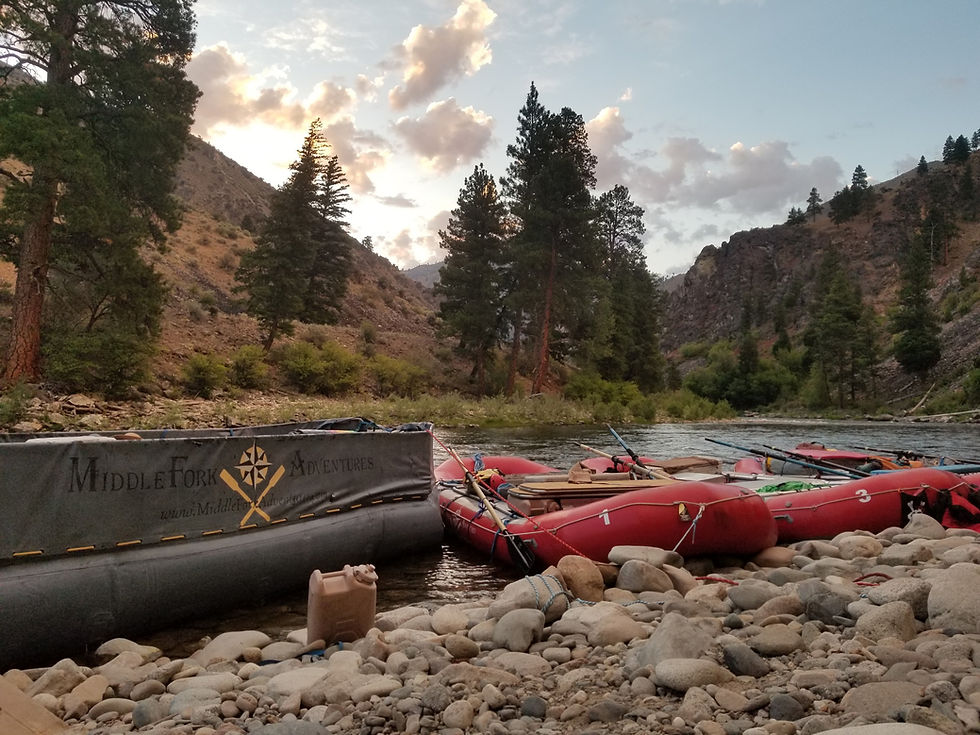
Which Style Middle Fork Salmon River Trip Suits You?


The Age Old Question: Guided vs Self-guided?
The Middle Fork of the Salmon River is one of the most sought-after multi-day rafting trips in the United States. Designated as a Wild and Scenic River, it offers 75 to 100 miles of Class II–IV whitewater through the Frank Church–River of No Return Wilderness. Every year, boaters face the same decision: should you tackle it on your own with a self-guided permit, or join a professional outfitter for a fully supported expedition?
This choice matters. The Middle Fork requires permits year-round, careful planning, and real whitewater skills. In this guide, we break down guided versus self-guided trips, including logistics, costs, responsibilities, safety considerations, and who each option fits best. By the end, you will know which approach aligns with your experience, goals, and crew.
Understanding the Middle Fork Salmon River
The Middle Fork of the Salmon River is not a casual float. It begins at the confluence of Marsh and Bear Valley creeks and runs to its meeting with the Main Salmon River. The permitted stretch commonly runs from Boundary Creek or Indian Creek to Cache Bar, covering roughly 75 to 100 miles depending on water levels and launch location.
Whitewater ranges from Class II to IV, with technical rapids early in the season and splashy, playful features later in the summer. The river drops nearly 3,000 feet through one of the largest protected wilderness areas in the lower 48 states. There is no cell service. Once you launch, you are committed.
Launch logistics vary by flow. During higher water in early season, trips typically launch from Boundary Creek and run the full distance. In lower water later in the summer, launches often shift to Indian Creek, sometimes requiring a flight into the backcountry. All trips take out at Cache Bar after joining the Main Salmon River.
Permits are required year-round and managed through the Forest Service and Recreation system. During the control season, permits are awarded through a lottery. Whether guided or private, every group operates within this regulated framework.
The Middle Fork also offers natural hot springs, hiking to historic sites, and world-class trout fishing under strict catch-and-release regulations with barbless hooks and no bait. It is both an adventure and a responsibility.
What Is a Guided Middle Fork Rafting Trip?
A guided Middle Fork trip is typically a six day, five night wilderness rafting experience operated by a licensed outfitter. The structure is simple for guests. You arrive with personal clothing, meet your guides, and step into a fully coordinated expedition.
Outfitters provide boats, safety gear, dry bags, tents, sleeping systems, camp chairs, and river kitchen setups. Meals are chef-inspired and designed for a week in the backcountry. Guides handle navigation, camp systems, daily safety briefings, and permit compliance. For guests, the focus shifts from managing logistics to experiencing the river.
Professional guides are trained in first aid, and many hold advanced wilderness medical certifications. They make flow-based decisions about lines through rapids, weather shifts, and campsite selection. That leadership reduces stress for first-time rafters and families.
Guided trips also vary by style. Early season departures may emphasize paddle raft teamwork during higher water. Family-focused trips later in the summer often align with lower flows and warmer water. Fishing-forward departures may include dedicated guide-to-angler ratios and compliance with Middle Fork trout regulations.
Guests are still active participants. You paddle when appropriate, help with light camp routines, and engage with the river. But the responsibility for permits, safety systems, meal planning, and compliance remains with the outfitter.

What Is a Self-Guided Middle Fork Rafting Trip?
A self-guided trip places the full responsibility on your group. You secure a Middle Fork permit through the Recreation.gov lottery or secondary release system, assemble qualified boaters, and build your own expedition plan.
This includes acquiring boats suitable for Class II–IV whitewater, frames, repair kits, spare oars or paddles, groovers, fire pans, kitchen systems, food for six days, water filtration, and satellite communication. You must coordinate vehicle shuttles, manage group weight distribution, and ensure compliance with Forest Service regulations.
Private boaters are also responsible for risk management. That means reading water accurately, scouting rapids when needed, responding to injuries, and planning evacuation strategies. There is no lead guide making decisions. The group collectively carries that responsibility.
Food planning becomes another major task. You must design menus that withstand heat, manage cooler space, and meet dietary needs. Camp setup and breakdown are fully on your crew each day.
For experienced private boaters with the right equipment and skill set, this level of autonomy can be deeply rewarding. You control pace, side hikes, fishing time, and daily structure. But the tradeoff is time, preparation, and accountability.
Guided vs Self-Guided: A Practical Comparison
When comparing guided and self-guided Middle Fork trips, the differences center on logistics, responsibility, and experience level.
Logistics are the clearest divide. Guided trips consolidate months of planning into a structured package. Permits, river equipment, camp systems, and meals are handled in advance. On a self-guided trip, these tasks fall entirely on your group, often requiring coordination long before launch day.
Cost is more nuanced. Guided trips have a clear upfront price that includes equipment, food, guide services, and logistics support. Private trips may appear less expensive on paper, but gear purchases, permit fees, shuttle costs, food, and equipment depreciation add up quickly. For boaters who already own a full setup, the economics shift.
Skill requirements also differ. Guided trips welcome first-time rafters and families because professional guides manage navigation and risk. Self-guided trips assume your group can confidently run Class II–IV whitewater, manage emergencies, and navigate changing river conditions.
Comfort and food planning are another distinction. Guided trips emphasize balanced, backcountry meals and structured camp systems. On private trips, cooking and cleanup are daily responsibilities. Some crews love that process. Others prefer to focus entirely on the river.
Both approaches deliver access to the same wilderness corridor. The difference lies in who carries the weight of making it happen.
Who Should Choose a Guided Trip?
Guided trips are ideal for first-time Middle Fork visitors. The permit process alone can be complex, and understanding launch logistics, river sections, and seasonal flow shifts requires experience. A professional outfitter streamlines that learning curve.
Families with children often benefit from guided departures. Later season flows typically feel less technical, and having trained guides overseeing rapid runs, camp routines, and safety briefings allows parents to relax. The result is a week focused on shared adventure rather than operational stress.
Groups celebrating milestones, hosting reunions, or organizing corporate retreats also tend to prefer guided structures. A single outfitter coordinating boats, meals, and safety creates cohesion. Instead of debating logistics, the group shares the experience.
Anglers looking for fishing-forward trips may also prefer guided support. Knowledge of trout regulations, river sections, and proper catch-and-release techniques matters on the Middle Fork. Dedicated guide formats provide structure without compromising compliance.
Ultimately, a guided trip is for those who want to unplug and immerse themselves in the wilderness while professionals manage the operational framework.
Who Should Consider a Self-Guided Trip?
Self-guided trips fit experienced private boaters who already run Class III–IV rivers confidently. If your group owns suitable rafts, understands river hydrology, and has wilderness medical preparedness, the autonomy can be rewarding.
Groups who value total flexibility may also prefer private permits. You can set your own daily pace, adjust fishing time, and shape camp culture exactly as you like. For some crews, building the expedition from the ground up is part of the appeal.
Budget-conscious boaters with established gear setups may find private trips financially viable. If boats, kitchen systems, and communication equipment are already in place, incremental costs drop.
However, private groups must be realistic about preparation. The Middle Fork is remote, regulated, and dynamic. Every decision on the water rests with your crew. Confidence and competence must match the ambition.

Frequently Asked Questions
Is it better to do a guided or self-guided Middle Fork Salmon River rafting trip?
It depends on your experience level and goals. Guided trips reduce logistical stress and provide professional safety oversight. Self-guided trips offer autonomy but require strong river skills and extensive preparation.
How hard is it to get a Middle Fork Salmon River permit?
Permits are required year-round and are competitive during the control season. Most private launches are awarded through a lottery system. Flexibility in dates improves your chances.
How much does a self-guided Middle Fork trip cost?
Costs vary based on gear ownership and group size. Permit fees, shuttle services, food, and equipment expenses add up quickly. For boaters without existing setups, rentals or purchases significantly increase total cost.
What class rapids are on the Middle Fork Salmon River?
The Middle Fork includes Class II through Class IV rapids. Early season flows can feel more technical and powerful. Later summer flows often feel more forgiving but still require skill and attention.
Can beginners do the Middle Fork Salmon River?
Beginners can participate on guided trips under professional supervision. Self-guided trips are not recommended for inexperienced boaters. Class II–IV whitewater demands competent navigation and safety awareness.
Do you need special fishing rules on the Middle Fork?
Yes. The Middle Fork is a catch-and-release trout fishery. No bait is allowed, and barbless hooks are required under Idaho Fish and Game regulations.
Conclusion
Choosing between a guided and self-guided Middle Fork Salmon River rafting trip comes down to responsibility, preparation, and desired experience. Both paths lead through the same Wild and Scenic corridor, with hot springs, technical rapids, and six unforgettable days in the Frank Church Wilderness. The difference lies in who carries the logistics, safety systems, and regulatory compliance.
If you want to focus on paddling, soaking in hot springs, and sharing time with your crew while experienced professionals manage the expedition, a guided trip may be the right fit. If you have the skills, equipment, and desire for full autonomy, a private permit can deliver a powerful challenge.
Ready to plan your Middle Fork adventure? Explore current trip dates and talk with our team here at Middle Fork Adventures to find the launch that fits your crew.
About the Author
Allie Vostrejs Newman | Manager + Guide

Allie has spent most of her adult life guiding rivers across the American West, and she brings a calm, capable presence to every Middle Fork trip. She has a cool leadership style, sharp organization, and deep knowledge of the Frank Church–River of No Return Wilderness. She’s also a standout in the river kitchen, known for cooking creative meals for big groups and keeping trip logistics running smoothly so guests can focus on the fun.
Allie holds a Master’s in Landscape Architecture and a B.A. in Environmental Science, and she’s a go-to resource for the natural history and ecology of the Middle Fork. You’ll often find her with a sketchbook in hand or dreaming up an off-the-beaten-path hike or side adventure. Off the river, she spends time with her husband Daniel, their son Samuel Brooks, and their dog Wally.